Introduction
Most refrigerator filter guides start with the cartridge. This one starts with the problem. People rarely wake up wanting a new filter. They wake up to a dispenser that sputters, a glass of water that tastes faintly stale, ice cubes that smell like the freezer, or a little orange light that has been glowing since spring. The cartridge is only the thing they end up buying once they’ve worked out what’s going on.
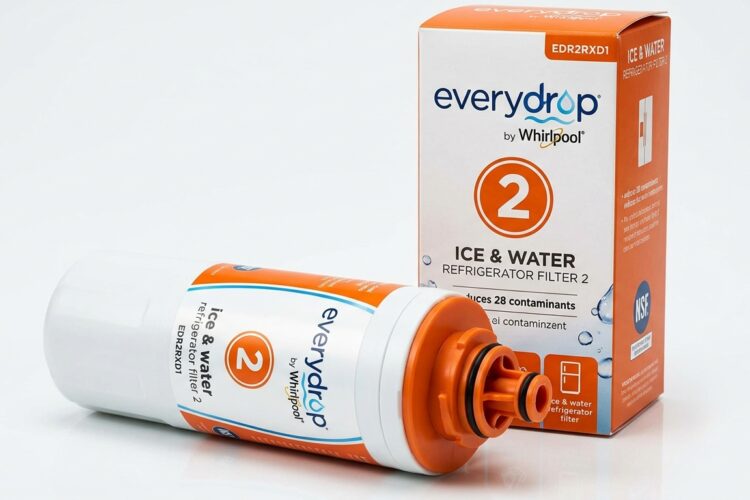
The EveryDrop by Whirlpool Ice & Water Refrigerator Filter 2, part number EDR2RXD1, is an orange cartridge built for refrigerators that call for “Filter 2.” It sits in the water line and helps reduce certain tastes, odors, and other substances in the water and ice the refrigerator supplies. That job is simple. Knowing when this cartridge is the answer, and when something else is the real cause, is where most of the value lies, so this guide is organized by symptom.
A note on approach: this is an informational article and not a review. No personal use of the product is being claimed, and nothing here describes a first-hand experience with it. The explanations draw on how refrigerator water filters generally work and on the details publicly listed for this model. Your refrigerator’s owner’s manual and the manufacturer’s documentation are the authoritative sources for compatibility, certification details, replacement timing, and troubleshooting steps. Where this guide suggests a possible cause, treat it as a starting point for investigation and not a diagnosis, and bring in a qualified service professional for anything involving leaks, electrical parts, or persistent faults.
Key Features
What “Filter 2” Means
EveryDrop numbers its cartridges by design, and the “2” identifies a particular cartridge style along with the group of refrigerators built to accept it. It is not a rating of quality or strength. Think of it like a key cut: it tells you whether the cartridge belongs in the lock, not how fancy the key is. If your manual calls for Filter 2, this cartridge family applies. If it names another number, the cartridges are generally not interchangeable, even when they look similar.
The Part Number
EDR2RXD1 is the identifier for this cartridge. It is the most dependable string for searches, listings, and manual checks, because titles vary between sellers while part numbers stay constant. Older manuals and listings sometimes show earlier codes for cartridges later grouped under the EveryDrop name, so if your manual shows a different code, the manufacturer’s compatibility lookup can clarify how the numbers relate.
Activated Carbon Filtration
Like most refrigerator cartridges, this one is built around activated carbon, a porous material with a huge internal surface area for its size. Certain substances cling to that surface as water moves through the block. Carbon is widely associated with reducing chlorine taste and odor and, depending on the specific design and testing, certain other substances too. Exactly what a cartridge reduces, and under what conditions, is documented in its performance data.
Testing Information
Cartridges in this category are commonly tested against voluntary NSF/ANSI standards, which describe what a filter can reduce under controlled test conditions. The packaging and the manufacturer’s data sheet list the applicable standards and the substances tested. If a specific concern matters to you, that paperwork is where to look.
Water and Ice From the Same Line
In refrigerators designed for this style of cartridge, the filter generally sits in the line feeding the dispenser and, in many models, the automatic ice maker. One cartridge therefore affects both the water you pour and the ice that drops into the bin.
Tool-Free Replacement
These cartridges are designed for homeowner replacement without tools, and in many refrigerators without shutting off the water. The motion varies. Some cartridges twist, others push in and lock, and the housing may be inside the fresh food compartment or in the base grille. Your manual shows the correct sequence for your model.
Orange Packaging and Reminder Lights
The orange color is branding that helps with identification. Many refrigerators that use this cartridge style also track filter life by time or water volume and show a reminder on the control panel, which usually needs to be reset after a change.
Symptom One: The Dispenser Has Slowed Down
What It Might Mean
A weak or sputtering dispenser is the classic reason people start shopping for filters, and a clogged cartridge is a common cause. Over time, sediment and fine particles in household water can build up in the carbon block, restricting flow. The cartridge may be nowhere near the end of its rated life by time and still be slowing down if the water carries a lot of particulate.
What to Check First
Start with the simple things. Is the cartridge fully seated in its housing? A cartridge that is slightly off its seat can restrict flow. Is the refrigerator’s water line visibly kinked or pinched behind the unit, for example after the refrigerator was pushed back into place? Is household water pressure normal at a nearby tap? A weak kitchen faucet points to a supply problem that no cartridge will fix.
When the Cartridge Is the Likely Answer
If the cartridge is near or past its recommended interval, and the line and pressure look fine, replacing it is a reasonable next step. If flow improves after a fresh cartridge is installed and flushed, that supports the clogged-cartridge explanation. If flow stays weak, the cause likely lies elsewhere, such as the water inlet valve or the supply line, and the manual or a service professional is the right resource.
Symptom Two: The Water Tastes or Smells Off
What It Might Mean
Chlorine taste and odor are among the most common complaints about municipal tap water, and carbon filtration is widely used to reduce them. As a cartridge ages, its carbon becomes less able to hold the compounds responsible, so a once-neutral glass of water can drift toward flat or faintly chemical.
What to Check First
Compare the dispenser water with water from a nearby cold tap. If both taste the same, the issue may come from the household supply and not the cartridge. If the dispenser water tastes noticeably different, the filter, the dispenser tubing, or the water tank inside the refrigerator may be involved. Smells that seem to come from the glass itself, or from the refrigerator interior, can have nothing to do with water at all, since food odors in the compartment can affect how both water and ice taste.
When the Cartridge Is the Likely Answer
If the cartridge is overdue, replacing it is the simplest first fix. If the taste persists after replacement and flushing, check the manual for guidance on cleaning the dispenser and water tank, and consider whether the household water itself has changed. A local utility’s water quality report can explain seasonal changes in treatment.
Symptom Three: The Ice Tastes Stale or Smells Like the Freezer
What It Might Mean
Ice is excellent at absorbing odors. Cubes that sit in the bin for a long time can pick up flavors from the freezer, and the ice maker draws from the same filtered line as the dispenser, so a tired cartridge can contribute. In many refrigerators, ice problems show up before water problems because ice amplifies small off-flavors.
What to Check First
Look at the ice bin itself. Old cubes that have been sitting for weeks are a common culprit, and emptying and washing the bin according to the manual often makes a visible difference. Check the freezer for open or leaking food containers, since strong odors there transfer easily. Then consider the cartridge’s age.
When the Cartridge Is the Likely Answer
If the bin is clean, the freezer is odor-free, and the cartridge is overdue, replacement is reasonable. Fresh ice may take some time to appear after a change, since the ice maker needs to cycle and old cubes need to be cleared out. The manual may recommend discarding the first batches of ice after a filter change.
Symptom Four: Cloudy Water or Tiny Specks After a Change
What It Might Mean
This one usually isn’t a problem at all. Air trapped in the line after a cartridge swap can make water look cloudy or sputter, and loose carbon particles from a new cartridge can show up as fine specks. Both typically clear up with flushing.
What to Check First
Check your manual for the recommended flushing volume and run that much water through the dispenser. Cloudiness caused by air usually settles within a minute when a glass sits on the counter, starting cloudy at the bottom and clearing upward.
When It Might Be Something Else
If water remains cloudy or speckled after flushing, double-check that the cartridge is the correct type and fully seated. If problems continue, contact the seller or the manufacturer before continuing to use the cartridge.
Symptom Five: There’s a Drip Around the Filter Housing
What It Might Mean
A drip near the housing usually points to a cartridge that isn’t fully seated, a damaged seal, or a mismatch between the cartridge and the housing. It can also, less often, indicate a problem with the housing or the water line itself.
What to Check First
Turn off the water supply to the refrigerator if the leak is more than a slow drip, according to your manual’s instructions. Remove the cartridge and inspect the seals for damage or debris. Confirm that the cartridge type matches what the manual calls for. Reseat it carefully, following the manual’s directions for your model.
When to Call for Help
A cartridge that continues to leak after careful reseating, or any leak that seems to originate from the housing or from behind the unit, deserves attention from the manufacturer or a service professional. Water damage can spread quietly, so it’s better to resolve leaks promptly than to monitor them for weeks.
Symptom Six: The Reminder Light Won’t Go Away
What It Might Mean
After a cartridge change, many refrigerators need a manual reset of the filter indicator. If the light stays on, the reset may not have been completed. In some models, the indicator tracks time or water volume and will continue showing until it’s cleared.
What to Check First
Consult the manual for the exact reset procedure, since the button or sequence differs between models. Make sure the new cartridge is properly seated. For refrigerators designed to recognize the cartridge installed in them, confirm that the cartridge type is the one the appliance expects.
When Something Else Might Be Going On
If the light persists after a correct reset and the right cartridge, the manual may offer further guidance, or the manufacturer’s support line can help. Persistent indicator problems don’t usually mean the water is unsafe, but they do make it harder to track replacement dates, so a written date on the cartridge helps in the meantime.
Symptom Seven: Everything Seems Fine, But the Filter Is a Year Old
What It Might Mean
This is the quiet one, and perhaps the most common. Nothing seems wrong, the dispenser works, and the water tastes acceptable. But the cartridge has been in place for far longer than the recommended interval. The carbon inside has a finite capacity, and water flows through a spent cartridge just as freely as through a fresh one, so a normally flowing dispenser is not proof that filtration is still happening.
What to Do
Replace the cartridge, flush the line, reset the indicator, and write the date on the new cartridge. Add the next change to a calendar so the situation doesn’t repeat.
How It Can Be Used
Replacing a Cartridge on Schedule
The ordinary use is simple: replace an old Filter 2 cartridge when the reminder appears or when about six months have passed, which is the interval manufacturers commonly recommend.
Following Up After Troubleshooting
When a symptom points to the cartridge as a likely cause, a replacement plus a proper flush is a low-effort way to test that theory before calling anyone.
Resetting After a Move
People who move into a home with an existing refrigerator rarely know when the filter was last changed. A new cartridge during the first week creates a clean starting point.
Preparing for Heavy Ice Demand
Households that host gatherings or fill coolers sometimes time a change just before busy periods. Ice absorbs odors easily, so fresh filtration beforehand is a reasonable precaution.
Pairing the Swap With a Quick Cleaning
Changing a cartridge is a natural moment to wipe down the compartment, check for moisture, and glance at connections, which can catch small problems early.
Who It May Be Suitable For
Owners of Refrigerators That Call for Filter 2
The core audience is anyone whose refrigerator is designed around this cartridge style. Whirlpool’s numbering is used across several brands in the same appliance family, so compatibility depends on the model number and not just the brand name.
People Who Prefer Manufacturer-Branded Parts
Some owners like to use the part the appliance maker specifies, particularly for refrigerators still under warranty. A manufacturer-branded cartridge appeals to those who want fewer questions about fit and performance.
Households That Use the Dispenser and Ice Maker Often
Families who fill bottles, kettles, and pots from the door, and who go through a lot of ice, have a more direct reason to keep the cartridge current.
People Who Like to Troubleshoot Methodically
Anyone who prefers to work through a short list of checks before ordering parts will find a symptom-first approach helpful, since it separates cartridge problems from supply or appliance problems.
Renters and New Homeowners
Those who have inherited an appliance often want a clean way to reset its maintenance clock. A new cartridge, with the date written on it, does that neatly.
Important Things to Consider
Match the Number, Not the Color
Orange packaging is a visual aid and not proof of compatibility. Cartridges from different EveryDrop numbers can look alike apart from color and label, and the wrong one may not seat properly or may not work as the refrigerator expects.
Confirm Compatibility Before Ordering
Photograph the refrigerator’s model label, confirm the filter number in the manual, and compare both with the product listing and the retailer’s fit checker. If the current cartridge is still installed, compare its label as well.
Read Part Numbers Carefully
The numbering is sequential, and part numbers differ by a single digit. Comparing the code against your manual one character at a time prevents most mix-ups.
Authenticity Matters
Refrigerator filters are widely imitated. Buying from a clearly identified seller, checking that packaging looks consistent, and noting anything unusual about the fit are sensible habits. If something seems off, contact the seller or the manufacturer before installing.
Replacement Timing Is a Guideline
Six months is a recommendation and not a deadline. Heavy use or sediment-heavy water can shorten a cartridge’s practical life, and light use can mean the date arrives early. If flow slows sooner than expected, replacing earlier is reasonable.
Troubleshooting Has Limits
A new cartridge fixes cartridge problems. It does not fix kinked lines, failing valves, low supply pressure, or dirty ice bins. If a symptom persists after a correct replacement and flush, look elsewhere instead of replacing cartridges repeatedly.
A Filter Has Limits Too
Carbon-based refrigerator filters can reduce certain tastes, odors, and substances, but they are not designed to address every water concern. Households on private wells, or with known contamination or microbiological concerns, may need additional treatment. A water test or the local utility’s annual quality report offers more specific information than any filter listing.
Read the Performance Data
If a particular substance matters to you, the manufacturer’s data sheet lists what the cartridge was tested for and under what conditions.
Flush, Inspect, Reset
After installation, run water through the dispenser for the amount your manual recommends, look for drips right away and again a few hours later, and reset the indicator.
Keep Spares Properly Stored
Store extra cartridges in their packaging in a clean, dry place away from extreme heat or cold.
Dispose of Old Cartridges Thoughtfully
Rules vary by location. Some manufacturers and retailers offer recycling programs, so the packaging or the manufacturer’s website is a good place to check.
Comparison of General Categories
Cartridge Fixes and Appliance Repairs
Some symptoms respond to a new cartridge, such as flow that slowed gradually, flat taste, or an overdue reminder. Others point to the appliance or the supply, such as a sudden loss of flow, leaks from behind the unit, or no water at all. Telling the two apart saves both money and time, which is the main argument for working through symptoms before buying parts.
Manufacturer Cartridges and Third-Party Compatible Filters
Manufacturer cartridges are produced or authorized by the appliance maker and designed for specific model groups. Third-party filters come from other companies, often engineered to fit the same housing, with quality and documentation that vary widely. A fair comparison looks at certification paperwork, fit, seller reputation, and warranty implications, without assuming one category is automatically better.
Refrigerator Cartridges and Pitcher Filters
Pitcher filters treat water in batches and live on a counter or in the refrigerator. They are portable and independent of any appliance, but they need manual refilling and generally have a smaller capacity. A refrigerator cartridge works in line with the supply, delivering filtered water and ice on demand.
Refrigerator Cartridges and Faucet-Mounted Filters
Faucet-mounted filters treat water at the sink and can usually be switched on or off as needed. They are easy to install and don’t depend on a particular refrigerator, but they only filter water drawn from that tap. A refrigerator cartridge only filters what comes from the appliance. Some households use both.
Refrigerator Cartridges and Under-Sink Systems
Under-sink systems filter water at the kitchen tap and often use multiple stages. They can handle larger volumes and more specific concerns, but they involve installation and a separate maintenance schedule. A refrigerator cartridge is simpler and targets one appliance.
Refrigerator Cartridges and Whole-House Systems
Whole-house systems treat water where it enters the home, protecting plumbing and fixtures along with drinking water. They are a larger investment in equipment and installation. A refrigerator cartridge addresses a much smaller piece of the picture and can complement a whole-house system rather than replace it.
Filtered Tap Water and Bottled Water
Some households use refrigerator-filtered water in place of bottled water for everyday drinking. The decision depends on taste, local water quality, and convenience. Filtered tap water avoids bottle storage and disposal, while bottled water may be preferred for travel or by people who like a specific brand.
Frequently Asked Questions
What does “Filter 2” mean?
It’s the number EveryDrop uses to label a particular cartridge design and the group of refrigerators built to accept it. It isn’t a quality ranking, and different numbers are generally not interchangeable.
Is EDR2RXD1 the part number for Filter 2?
Yes, EDR2RXD1 is the part number associated with the EveryDrop Filter 2 cartridge. Older manuals and listings sometimes show earlier codes, so the manufacturer’s compatibility lookup can help if the numbers don’t match exactly.
My dispenser is slow. Will a new filter fix it?
It might, if the old cartridge is clogged. If flow stays weak after replacement and flushing, check for a kinked line, low household water pressure, or an appliance issue, and consult the manual or a service professional.
Why does my ice taste odd even though the water tastes fine?
Ice absorbs odors easily, and stored cubes can pick up freezer flavors. Cleaning the ice bin and checking for open food containers is a good first step before assuming the cartridge is at fault.
How often should the filter be replaced?
Manufacturers commonly recommend about every six months, or sooner if flow slows or the reminder says it’s time. Water quality and usage can shift the ideal timing.
Why is my water cloudy after a change?
Trapped air and loose carbon particles are the usual causes. Running water through the dispenser for the amount your manual recommends normally clears it up.
What should I do if the housing leaks?
If the leak is more than a slow drip, turn off the water supply as your manual directs, remove the cartridge, confirm it’s the correct type, and reseat it. If it keeps leaking, contact the manufacturer or a service professional.
Why won’t the reminder light turn off?
The indicator usually needs a manual reset after a change, and the procedure varies by model. Check the manual, and confirm that the cartridge is seated correctly and is the type your refrigerator expects.
Can I tell a spent filter by looking at it?
Not reliably. A cartridge can look the same whether it’s new or exhausted, which is why the time-based interval and the reminder exist.
Do I need tools to change it?
Cartridges of this type are designed for homeowner replacement without tools, and in many refrigerators without shutting off the water. The manual provides the steps for your model.
Does the filter affect the ice maker?
In many refrigerators, the ice maker draws from the same filtered line, so a fresh cartridge can influence ice quality as well.
Is the cartridge certified?
Filters of this type are commonly tested against NSF/ANSI standards. The packaging and the manufacturer’s data sheet list the specific standards and substances tested.
Does a refrigerator filter remove everything from water?
No. Carbon-based filters reduce certain substances but aren’t designed to treat every concern. A water test or your utility’s quality report can help you decide whether additional treatment makes sense.
Conclusion
The EveryDrop by Whirlpool Ice & Water Refrigerator Filter 2, part number EDR2RXD1, does one narrow job: fit a compatible refrigerator and help reduce certain tastes, odors, and other substances in the water and ice it supplies. The more interesting skill is knowing when a new cartridge is the right response and when it is not. Slow flow, flat taste, stale ice, cloudy water, drips, and stubborn reminder lights each have a handful of likely causes, and working through them in order keeps owners from replacing parts that were never the problem.
The routine is short. Check the simple things first, replace the cartridge when the symptom and the calendar both point to it, match the part number against the manual instead of the color, flush the line, look for drips twice, reset the indicator, and write the date on the cartridge. Keep realistic expectations about what a carbon cartridge can do, and treat it as one small piece of a household’s wider water picture.