Introduction
Good shoppers are a little suspicious, and refrigerator filters give them plenty to be suspicious about. The same cartridge style shows up under several brand names. Titles stack up part numbers like a string of license plates. A word like “compatible” can mean many things, from a carefully engineered part to a loosely matched copy. When the listing is a 3-pack, the stakes go up, because one wrong guess becomes three.
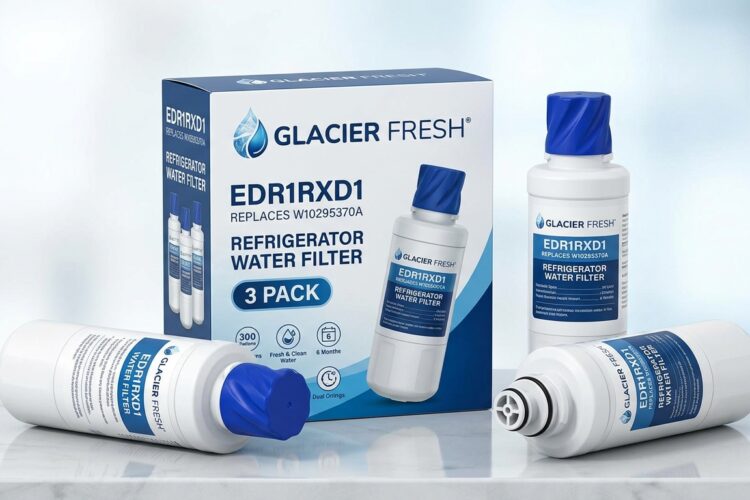
The GLACIER FRESH water filter 3-pack, listed as compatible with EDR1RXD1 and W10295370A, is a good subject for that kind of healthy skepticism. Both codes in the title are associated with the cartridge style EveryDrop calls “Filter 1.” The listing is telling buyers which original parts the product is meant to stand in for. It is not telling them the product came from the appliance maker, and a careful reader should keep that distinction in mind.
This guide takes the skeptic’s side. Instead of simply describing the product, it works through the questions a cautious buyer would want answered, explains what a reasonable answer looks like, and points out where the listing alone can’t settle the matter. A note on approach: this is an informational article, not a review. No personal use of the product is being claimed, and nothing here describes a first-hand experience with it. The explanations draw on how refrigerator water filters generally work and on the details publicly listed for this product. Your refrigerator’s owner’s manual, the manufacturer’s documentation, and the seller’s own product information should always outrank a general article like this one.
Skepticism isn’t hostility. It’s simply the habit of checking before committing. With a purchase this small and a routine this repetitive, a few minutes of checking can save a returned package, a drippy cabinet, or a year of water that doesn’t taste quite right.
Key Features
What “Compatible” Is Promising
In the replacement-parts world, “compatible” generally means the product is designed to fit and function in the same slot as a named original. It is a statement about fit and intended role. It does not mean the cartridge was made by the appliance company, and it does not by itself say anything about how the filter performs or what it was tested for. Those are separate questions, and the listing, packaging, and any documentation are where to look for answers.
Two Reference Codes
The title names EDR1RXD1 and W10295370A. Both are associated with the same cartridge style, which is why sellers often include both. Manufacturers revise packaging and consolidate product lines over time, so older manuals and newer listings may use different codes for what is functionally the same style. The codes are useful search keys. They work best as one piece of evidence, backed up by the refrigerator’s own documentation.
A Three-Pack
Three cartridges in one order covers about a year and a half at the commonly recommended six-month interval. The format suits households that like to buy ahead. It also means the first compatibility check carries extra weight, since a mismatch would affect the whole pack.
Activated Carbon Filtration
Most refrigerator filters, original or compatible, rely on activated carbon. The material is porous and has an enormous internal surface area for its size, which lets it attract and hold certain substances as water passes through. Carbon is widely associated with reducing chlorine taste and odor and, depending on how a particular cartridge is built and tested, certain other substances too. What a given product reduces is a function of its design and testing, so the product’s own documentation is the right reference and general assumptions are not.
Certification and Testing Details
Replacement filters in this category are often tested against voluntary NSF/ANSI standards, which describe what a filter can reduce under controlled test conditions. Whether a particular compatible cartridge has been tested, and to which standards, varies from product to product. A skeptic looks for specifics: the named standard, the substances tested, and some way to verify the claim. Where a listing doesn’t provide those details, the honest position is that certification is unconfirmed.
Water and Ice From the Same Line
In refrigerators designed for this cartridge style, the filter generally sits in the line feeding the dispenser and, in many models, the automatic ice maker. One cartridge therefore influences both the water from the door and the ice in the bin.
Designed for Tool-Free Swaps
Cartridges built for this housing are typically replaced without tools, and in many refrigerators without shutting off the water. The motion varies by model, with some cartridges twisting and others pushing in and locking. The manual is the right guide for the details, and a properly seated cartridge should feel secure and sit cleanly against the housing.
Reminder Light Behavior
Many refrigerators track filter life by time or water volume and show a reminder, which usually needs a manual reset after a change. Some models are also designed to recognize the installed cartridge. The manual explains how your refrigerator handles this and whether a replacement part is supported.
Six Questions a Skeptic Would Ask
Question One: Who Actually Made This?
The brand name on the box, GLACIER FRESH, is not the refrigerator maker’s name, and the references to EveryDrop, Whirlpool, or specific part numbers describe fit. A cautious buyer reads the seller’s description and the packaging for information about the manufacturer, and treats the title as a statement about compatibility instead of origin. If a seller identifies itself clearly and provides contact information, that is a modestly reassuring sign. If origin information is hard to find, it’s worth noting that too.
Question Two: How Do I Know It Will Fit?
This question has a mechanical answer. Find the refrigerator’s model number on its label, which is usually inside the fresh food compartment on a side wall or near the top. Look up the filter number or part number in the owner’s manual. Then compare that with the codes in the listing and with the label on the cartridge that’s currently installed. The retailer’s fit checker is a helpful last confirmation, but it is only as accurate as the model number typed into it. When the manual, the old cartridge, and the listing all point to the same style, confidence is reasonable. When they disagree, the manufacturer’s online lookup can break the tie.
Question Three: What Was It Tested For?
A skeptic doesn’t take the word “tested” at face value. A meaningful claim names a standard, lists the substances involved, and gives some way to check. Look at the listing, the packaging, and any included paperwork. If a claim is vague, such as “high quality” or “premium filtration,” it isn’t a claim that can be checked, and it deserves to be treated as marketing language. If it’s specific, a buyer can verify it with the testing body or the seller. When nothing specific is offered, that doesn’t prove the filter is poor, but it does mean the buyer is relying on trust instead of documentation.
Question Four: What Happens to My Warranty?
Owners of refrigerators still under warranty may want to read the warranty terms to see how filters from other companies are treated. Policies vary, and the answer depends on how the manufacturer has written them. The manual or the manufacturer’s support line can clarify. It’s a one-time question that’s much easier to ask before installation than after a problem comes up.
Question Five: Will My Refrigerator Treat It Like the Original?
Some refrigerators are designed to identify the cartridge installed in them, using a chip or similar technology, while others rely on a simple mechanical connection. If your refrigerator is in the first group, a replacement part may or may not interact with that feature the way an original does. The manual explains which kind of refrigerator you have. It is a detail worth knowing before buying three cartridges.
Question Six: What If It Doesn’t Work Out?
Return terms matter more with a multi-pack. Before ordering, read the seller’s return policy and note the window. If the first cartridge leaks, doesn’t seat, or looks different from the old one, a clear path back is worth far more than any amount of reassurance in a product title.
How It Can Be Used
Replacing a Cartridge on Schedule
The ordinary use is simple. Around the six-month mark, or when the reminder appears, an old Filter 1 style cartridge comes out and a new one goes in. A 3-pack provides the next three.
Starting With a Trial Install
A cautious approach to a multi-pack is to treat the first cartridge as a trial. Install it carefully, flush the line, check for leaks twice, and watch how the dispenser behaves over the next few days. If everything looks normal, the other two cartridges can go on the shelf with confidence. If something seems off, the problem surfaces while the return window is still open.
Keeping Spares Ready
Two cartridges on the shelf mean a swap can happen the day the dispenser slows or the reminder appears, with no wait for delivery. That’s useful for busy households that would rather not run an overdue filter.
Recovering From a Missed Change
Many homes ignore the reminder for months. A filter left in place far beyond its recommended life may be doing little more than letting water pass through. Replacing it and starting a dated routine is a practical way to reset.
Responding to Slow Flow
A drop in dispenser flow can sometimes point to a cartridge clogged with sediment. Replacing the filter is a reasonable first step. If flow stays weak with a fresh cartridge installed, the cause may be elsewhere, such as a kinked line or low household water pressure, and the manual or a service professional is a better resource.
Addressing Taste or Odor Changes
Chlorine taste and odor are among the most common complaints about municipal water, and carbon filtration is widely used to reduce them. If dispenser water starts tasting flat or slightly off, a new cartridge is one of the easiest things to try first.
Covering a Second Refrigerator
Some homes have a main refrigerator plus a second one in a garage or basement. If both are designed around the same cartridge style, the pack can serve both, provided each model has been checked individually.
Who It May Be Suitable For
Owners of Refrigerators That Call for This Cartridge Style
The core audience is anyone whose refrigerator is designed around the Filter 1 style associated with the codes in the listing. Compatibility depends on the refrigerator’s model number and the filter its manual specifies, not on the brand on the door.
Households That Replace Filters on a Schedule
A 3-pack suits people who keep a regular rhythm and like to buy ahead. It reduces reordering and keeps spares on hand.
Buyers Who Enjoy Checking the Details
Compatible parts reward people who read listings, compare codes, and look for documentation. Anyone who finds that kind of checking satisfying is well placed to evaluate a product like this.
People Comparing Manufacturer and Compatible Options
Some owners weigh both categories before choosing. A listing like this one gives them a basis for comparison, as long as they judge it on documentation and fit instead of on the title.
Households With Heavy Dispenser Use
Families that fill bottles, cook with dispenser water, and go through a lot of ice may reach the replacement point sooner than the calendar suggests. Spare cartridges make it easy to respond when flow slows.
People Who Like a Long Planning Horizon
For those who prefer lining up household supplies well in advance, one order that covers about eighteen months simplifies planning. The trade-off is that the decision is concentrated, so the upfront checks matter more.
Important Things to Consider
Compatibility Comes First
Photograph the model label, confirm the filter number in the manual, and compare both with the listing’s codes and the retailer’s fit checker. If the old cartridge is still installed, compare its label too. With a 3-pack, a mismatch affects three cartridges.
Distinguish “Made to Fit” From “Made By”
Words like “compatible” and brand names in the title describe fit. They don’t establish who produced the cartridge. If origin matters to you, look for that information in the seller’s description and on the packaging.
Treat Certification Claims With Care
Specific, checkable claims carry weight. Vague ones do not. If the listing doesn’t provide details, treat certification as unconfirmed and make your decision accordingly.
Inspect Before Installing
Compare the new cartridge with the old one. Look at the size, the connection points, and the seals. Packaging and documentation should look consistent. If anything seems off, contact the seller before installing.
Watch for Leaks
A cartridge that isn’t fully seated can drip. Look around the housing while water runs and again a few hours later. A slow leak behind a grille can go unnoticed for a long time.
Flush the Line
Manufacturers generally recommend running a set amount of water through the dispenser after installing a new cartridge to clear trapped air and loose carbon particles. Skipping this can cause sputtering or cloudy water at first. Follow the volume in your manual.
Reset the Indicator
If the refrigerator has a filter reminder, it usually needs to be reset after a change. Otherwise the light may keep showing, which makes the next change harder to track.
Treat the Interval as a Guideline
Six months is a recommendation, not a deadline. Sediment-heavy water or heavy use can shorten a cartridge’s practical life, and light use can mean the date arrives early. If flow slows sooner than expected, replacing earlier is reasonable.
Know the Limits of a Filter
Carbon-based refrigerator filters can reduce certain tastes, odors, and substances, but they aren’t designed to address every water concern. Households on private wells, or with known contamination or microbiological concerns, may need additional treatment. A water test or the local utility’s annual quality report offers more specific information than any filter listing.
Store Spares Carefully
Two cartridges may sit on the shelf for months. Keep them in their packaging, in a clean, dry place away from extreme heat or cold, and mark planned replacement dates where you’ll see them.
Dispose of Old Cartridges Thoughtfully
Rules vary by location. Some manufacturers and retailers offer recycling programs, so the packaging or the manufacturer’s website is a good place to look.
Comparison of General Categories
Manufacturer Cartridges and Compatible Filters
Manufacturer cartridges are produced or authorized by the appliance maker and designed for specific model groups. Compatible filters come from other companies and are designed to fit the same housing. Quality and documentation vary widely among compatible options. Some carry their own certifications and publish detailed test data, while others offer very little. A fair comparison looks at certification paperwork, fit, seller reputation, warranty implications, and the cost of ownership over time, without assuming that either category is automatically better.
Evidence You Can Check and Claims You Can’t
A useful way to compare any two filters is to sort what each one offers into checkable evidence and uncheckable claims. A model number matched against a manual is checkable. A named testing standard with a list of substances is checkable. A phrase like “premium quality” is not. The more of a listing that falls into the checkable column, the easier the decision becomes, whichever category the filter belongs to.
Single Cartridges and Multi-Packs
A single cartridge keeps the commitment small and suits a first purchase or a one-time swap. A multi-pack covers several changes and keeps spares available, at the cost of concentrating the decision. Households with a steady schedule often find multi-packs convenient once compatibility is confirmed.
Refrigerator Cartridges and Pitcher Filters
Pitcher filters treat water in batches and live on a counter or in the refrigerator. They are portable and independent of any appliance, but they need manual refilling and generally have a smaller capacity. A refrigerator cartridge works in line with the supply, delivering filtered water and ice on demand.
Refrigerator Cartridges and Faucet-Mounted Filters
Faucet-mounted filters treat water at the sink and can usually be switched on or off as needed. They are easy to install and don’t depend on a particular refrigerator, but they only filter water drawn from that tap. A refrigerator cartridge filters only what comes from the appliance. Some households use both.
Refrigerator Cartridges and Under-Sink Systems
Under-sink systems filter water at the kitchen tap and often use multiple stages. They can handle larger volumes and more specific concerns, but they involve installation and a separate maintenance schedule. A refrigerator cartridge is simpler and targets a single appliance.
Refrigerator Cartridges and Whole-House Systems
Whole-house systems treat water where it enters the home, protecting plumbing and fixtures along with drinking water. They are a larger investment in equipment and installation. A refrigerator cartridge addresses a smaller piece of the picture and can complement a whole-house system rather than replace it.
Filtered Tap Water and Bottled Water
Some households use refrigerator-filtered water in place of bottled water for everyday drinking. The decision depends on taste, local water quality, and convenience. Filtered tap water avoids bottle storage and disposal, while bottled water may be preferred for travel or by people who like a particular brand.
Frequently Asked Questions
Is this the same as the EveryDrop Filter 1?
No. It is a compatible filter made by a different company and designed to fit the same housing. The listing names EDR1RXD1 and W10295370A to show which original parts it is meant to replace.
Why are two codes listed in the title?
Part numbers change over time and appear in different forms across manuals and listings. Including both helps buyers searching under either one. It is still best to compare them with your own manual and the label on your current cartridge.
How do I confirm that it fits my refrigerator?
Start with the refrigerator’s model number, then check it against the listing’s compatibility information, the retailer’s fit checker, and your owner’s manual. If you can, compare the codes with the label on the cartridge you’re replacing.
Does the refrigerator need to recognize the filter?
Some models are designed to read information from the cartridge, and others rely on a simple mechanical connection. Your manual explains how your model works.
Could a compatible filter affect my warranty?
It depends on the manufacturer’s terms. Reading the warranty documentation, or contacting the manufacturer, is the most reliable way to find out.
Is the filter certified?
That depends on the specific product. Look for named standards, a list of substances tested, and a way to verify the claim on the listing or packaging. If those details aren’t provided, treat certification as unconfirmed.
How often should it be replaced?
Manufacturers commonly recommend about every six months, or sooner if flow slows or the reminder says it’s time. Water quality and usage can shift the ideal timing.
Do I need tools to install it?
Cartridges of this type are generally designed for homeowner replacement without tools, and in many refrigerators without shutting off the water. The manual gives the steps for your model.
Why is my water cloudy after installing a new filter?
Trapped air and loose carbon particles are the usual causes. Running water through the dispenser for the amount your manual recommends normally clears it up.
What if the cartridge leaks?
If needed, turn off the water supply to the refrigerator, remove the cartridge, confirm it’s the correct type, and reseat it following the manual. If it still leaks, contact the seller or the manufacturer before continuing to use it.
Should I install all three at once?
No. Cartridges are replaced one at a time, about every six months. The other two simply wait on the shelf in their packaging until their turn comes.
Does it remove everything from water?
No. Carbon-based filters reduce certain substances but aren’t designed to treat every concern. A water test or your utility’s quality report can help you decide whether additional treatment makes sense.
What should I do with the old cartridge?
Disposal options vary by location. Some manufacturers and retailers offer recycling programs, so the packaging or the manufacturer’s website is a good place to check.
Conclusion
The GLACIER FRESH 3-pack is a compatible replacement for a refrigerator cartridge many owners associate with the EveryDrop Filter 1 style. It does the same basic kind of work as other carbon-based refrigerator filters, sitting in the water line and helping reduce certain tastes, odors, and other substances in the water and ice. The part that deserves attention is the decision around it. A compatible filter asks the buyer to rely a bit more on documentation, fit, and the seller’s credibility than on a familiar appliance brand.
A skeptic’s routine is short and sensible. Confirm the refrigerator’s model number and the filter number in the manual. Compare them with the codes in the listing and the label on the old cartridge. Look for specific, checkable certification details, read the warranty and return terms, and treat the first cartridge as a trial install. Flush the line, check for drips twice, reset the reminder, and write the date on the cartridge. Store the spares somewhere clean and dry, and keep realistic expectations about what any carbon filter can do. It is one small piece of a household’s wider water picture.